
Over 100 door models available.
Doors made to your needs.
See quality before you buy.
Free expert consultation.
If you appreciate minimalism, prefer clean lines over mixed eras, and aim to avoid bold or intrusive patterns, contemporary style is a timeless choice for modern living spaces. Emerging in the mid-20th century, this interior design approach emphasizes simplicity, functionality, and enduring appeal, free from unnecessary decorative elements.
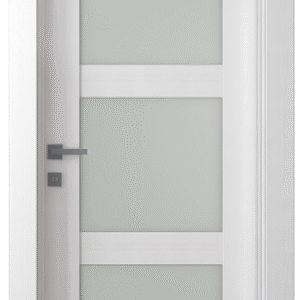
Wood remains the primary material for contemporary doors, valued for its warmth and natural elegance. Jean Laurent Botanica Inc. offers a carefully curated selection of door slabs in subtle yet practical finishes such as Bianco Noble, Grey Oak, Loire Ash, and more. These designs reflect a commitment to timeless aesthetics. Select models also feature refined metal accents and glass inserts, adding a touch of sophistication and versatility that complements a wide range of interior styles.
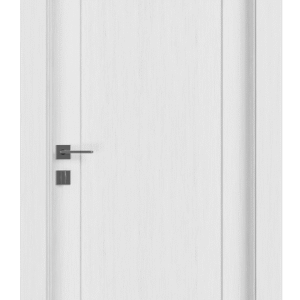
Japandi design—a harmonious blend of Japanese and Scandinavian interior traditions—emerged in the mid-19th century alongside growing cultural and trade exchange between East and West. This style is defined by simplicity, minimalism, and a strong emphasis on natural materials. A calm, neutral color palette, clean lines, and a balance between form and function are at the core of Japandi interiors. The focus is on high-quality, durable furnishings designed to remain timeless and relevant.
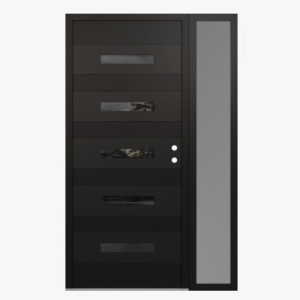
Stile-and-rail doors are a popular choice within Japandi spaces, as their clean, structured aesthetic complements serene living environments. Door slabs featuring subtle wood strips or glass inserts add visual interest while offering a modern interpretation of traditional Japanese shoji screens, seamlessly blending tradition with contemporary design.
Minimalism in interior design is more than a trend—it is a philosophy, a way of thinking, and a form of art. Rooted in the pursuit of perfection through simplicity, minimalism emphasizes clean aesthetics, functionality, and intentional design. Since the 1960s, it has symbolized a cultural shift away from excess toward thoughtfully curated living environments. Live plants, abstract art, and eco-design elements seamlessly enhance this style, adding warmth without visual clutter.
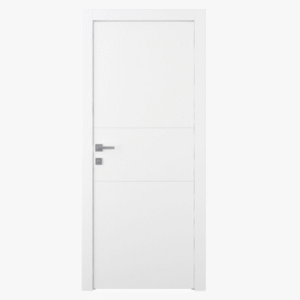
Because minimalism values open space, compact sliding doors and invisible (frameless) doors are ideal solutions for certain rooms. Light-toned wooden slabs with little to no ornamentation are especially well suited to minimalist interiors, as are designs featuring subtle aluminum strips that introduce a refined, modern accent without overwhelming the space.
Emerging in the mid-20th century and continuing to inspire designers today, Modern style is rooted in functionality. It is defined by clean lines, neutral color palettes, and sleek, low-profile furniture crafted from high-quality materials. Modern interiors emphasize uncluttered spaces, abundant natural light, and open floor plans that enhance the sense of flow and simplicity.
At Jean Laurent Botanica Inc., our collection of modern doors is thoughtfully curated so every buyer can find a design that seamlessly complements their interior. Each door combines elegant aesthetics with minimalistic details, making it easy to coordinate with any home décor while maintaining the timeless appeal of modern design.
Scandinavian style is often attributed to Swedish King Gustav III and is celebrated for its emphasis on functionality and balance. The core principle is moderation—ensuring that interiors are neither overcrowded nor sparse, while creating a warm, inviting atmosphere where family members feel comfortable, inspired, and safe.
Key characteristics include cozy, well-lit spaces, clean lines, pastel tones accented with contrasting elements, natural textures, and the use of environmentally friendly materials.
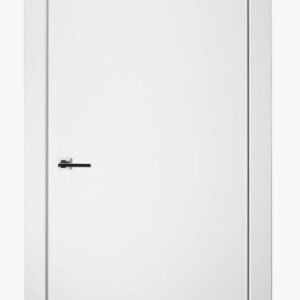
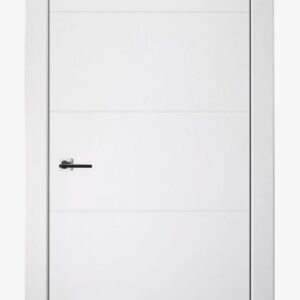
White doors with black hardware make a striking statement, capturing attention while complementing the overall design. As Coco Chanel once said, “I have said that black has it all. White too. Their beauty is absolute. It is the perfect harmony.” These timeless combinations exemplify the elegance and simplicity central to Scandinavian interiors.
Inspired by the beauty of the shoreline, Coastal style is defined by light, airy spaces, a soothing color palette, and the use of natural materials. This design emphasizes texture and subtle patterns, creating a serene and inviting atmosphere. Coastal interiors became especially popular through the luxury beach homes of the Hamptons (New York) in the late 19th century.
For doors, simple, undecorated slabs work best, maintaining a clean and understated look that complements the style. Doors with glass inserts are also highly effective, filling rooms with natural light and enhancing the cozy, welcoming feel of coastal interiors. Popular finishes include Bianco Noble, Gray Oak, and Polar White—light, refreshing shades that perfectly suit a tranquil and calming environment.
Traditional style is a warm, inviting design that embraces comfort and timeless elegance. It avoids fleeting trends, favoring a classic aesthetic that feels cozy and welcoming. Symmetry, calm color palettes, and thoughtfully curated furnishings enhance the sense of harmony, while vintage and antique pieces add character and a serene atmosphere.
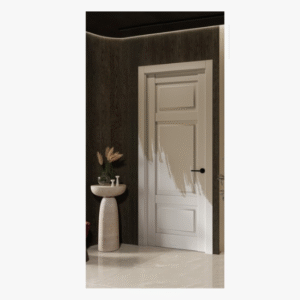
Evolving throughout the 20th century, Traditional interiors focus on creating soothing, livable spaces rather than ostentation. Furniture and décor are often inspired by European design, particularly 18th- and 19th-century France and England. This influence is reflected in minimalist doors with one or more panels, which offer understated elegance and perfectly complement a traditional home.
Pop Art style is a bold, captivating design aesthetic that emerged in the 1950s and has remained influential ever since. Celebrated for its originality and visual impact, Pop Art embraces expressive colors, unconventional forms, and distinctive furniture pieces that command attention.
This style often combines natural and artificial materials, though smooth surfaces are generally preferred. Pop Art encourages creativity throughout the space, extending beyond a single accent piece—think vibrant sofas, eye-catching light fixtures, colorful teapots, or unique cabinets.
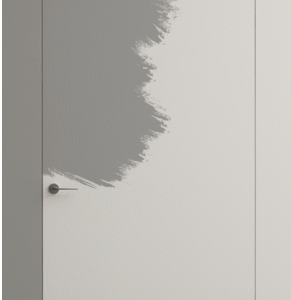
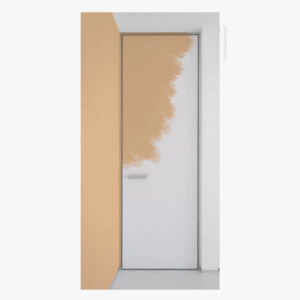
For doors, primed invisible (frameless) models offer a versatile canvas, allowing you to personalize them to match the room. They can be painted, wallpapered, or finished with plaster, providing endless possibilities for self-expression in a Pop Art-inspired interior.